
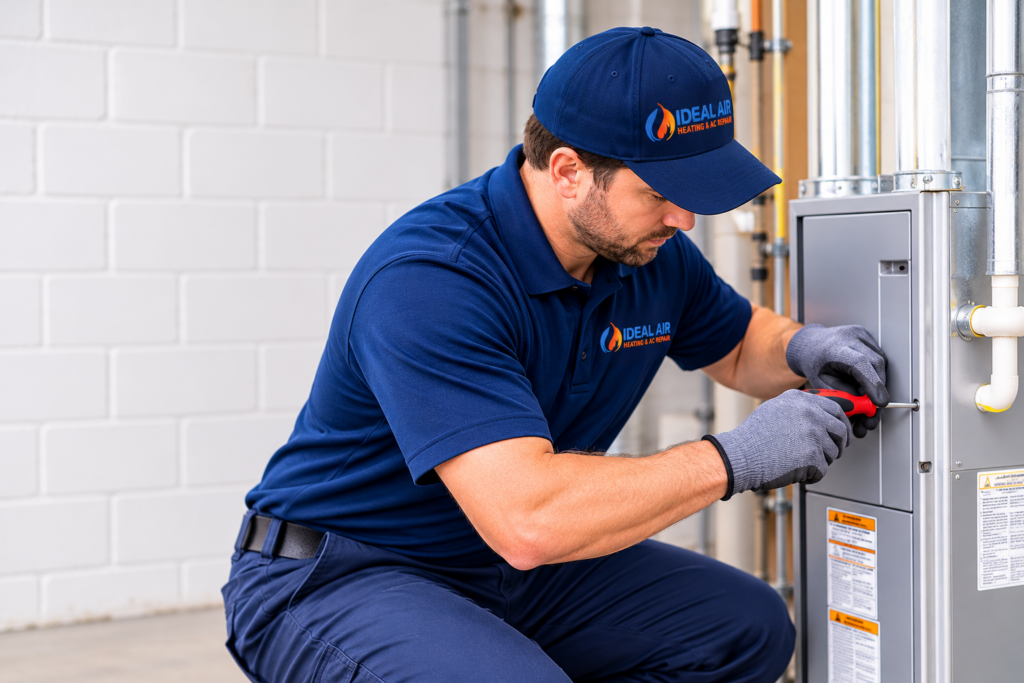
Installing a new gas furnace is an important investment in your home’s heating performance and energy efficiency. However, even a high-quality furnace may not deliver the expected comfort if installation mistakes affect its operation. Incorrect sizing, poor ductwork connections, improper venting, and inadequate airflow can contribute to uneven heating, higher energy bills, and frequent system cycling. Understanding these common mistakes can help homeowners make informed decisions when upgrading their heating equipment. Ideal Air HVAC helps homeowners choose and install heating systems designed to support dependable indoor comfort.
Why Proper Gas Furnace Installation Matters for Long-Term Home Comfort
A gas furnace must be correctly sized, connected, configured, and tested to operate as intended. Installation quality affects how effectively warm air reaches different rooms and how efficiently the equipment uses fuel.
A poorly installed furnace may struggle to maintain consistent temperatures even when the equipment itself is new.
Common installation mistakes include:
- Incorrect furnace sizing for the home’s heating requirements.
- Poorly connected or improperly sized ductwork.
- Restricted airflow through supply and return vents.
- Improper venting and combustion air arrangements.
- Incorrect thermostat placement or configuration.
- Incomplete installation testing and system adjustments.
Incorrect Furnace Sizing Can Cause Uneven Heating and Higher Energy Bills
Choosing a furnace based only on the home’s square footage can result in an improperly sized heating system. The home’s insulation, windows, layout, air leakage, and heating requirements should also be considered.
An oversized furnace may heat the home quickly and shut down repeatedly, while an undersized furnace may struggle to maintain comfortable temperatures during colder weather.
Homeowners should consider these potential problems:
- Frequent starting and stopping of the furnace.
- Temperature fluctuations between rooms.
- Increased wear on system components.
- Longer heating cycles during extremely cold weather.
- Reduced comfort throughout the property.
- Unnecessary energy consumption.
A professional heating assessment helps determine the appropriate furnace capacity for the property rather than relying on guesswork.
Gas Furnace Installation in Bolton, MA: Avoiding Improper Equipment Selection
Selecting the right furnace is essential for reliable heating throughout Massachusetts winters. Homeowners searching for gas furnace installation in Bolton, MA should consider equipment capacity, efficiency ratings, existing ductwork, and the home’s heating requirements before choosing a replacement.
A furnace that is too large or too small may create performance problems that affect comfort and operating costs.
Professional installation planning helps evaluate the home’s heating load, identify ductwork limitations, and select equipment suitable for the property’s requirements. This can help support consistent heating and dependable system operation.
Poor Ductwork Connections Can Reduce Heating Efficiency and Airflow
Ductwork plays an important role in distributing warm air throughout your home. Even a properly installed furnace can experience performance problems when supply and return ducts are poorly connected, restricted, or leaking air.
Common ductwork installation mistakes include:
- Loose duct connections that allow heated air to escape.
- Undersized return ducts that restrict airflow.
- Poorly sealed joints and gaps.
- Incorrectly positioned supply registers.
- Excessive bends or restrictions in ductwork.
- Improper duct insulation in unconditioned areas.
Gas Furnace Installation in Carlisle, MA: Ensuring Proper Air Distribution
Homeowners considering gas furnace installation in Carlisle, MA should pay attention to the condition and design of their existing ductwork. Replacing the furnace without evaluating the air distribution system may leave certain rooms uncomfortable.
A professional installer can assess supply and return airflow, identify duct restrictions, and determine whether adjustments are necessary for the new equipment.
Proper duct connections and airflow help the furnace distribute warm air more effectively throughout the property.
Improper Venting and Combustion Air Can Create Serious Safety Concerns
Gas furnaces require proper venting and combustion air to operate safely. Incorrect vent materials, blocked exhaust pathways, improperly configured connections, or inadequate combustion air can create serious safety concerns.
Installation should follow manufacturer instructions and applicable codes. Qualified professionals should verify venting, gas connections, combustion air requirements, and system operation before the furnace is put into regular use.
Homeowners should never attempt to modify gas piping or furnace venting themselves. If you smell gas, leave the property and contact emergency services or your gas utility from a safe location.
Gas Furnace Installation in Concord, MA: Avoiding Thermostat and Control Problems
Thermostat placement and configuration can influence how your furnace operates. A thermostat installed near drafts, direct sunlight, heat-producing appliances, or other temperature influences may not accurately represent the home’s comfort level.
Homeowners looking for gas furnace installation in Concord, MA should ensure the thermostat is positioned appropriately and configured for the installed heating equipment.
Incorrect thermostat settings or wiring may contribute to:
- Inconsistent indoor temperatures.
- Unnecessary furnace operation.
- Delayed heating response.
- Frequent system cycling.
- Reduced comfort in occupied rooms.
Proper setup and testing help ensure that the thermostat communicates correctly with the furnace.
Why Skipping Installation Testing Can Lead to Future Heating Problems
A furnace installation should not end when the equipment turns on. Proper testing helps confirm that the system operates according to manufacturer specifications and that important components function correctly.
Professional installation testing may include:
- Checking thermostat operation.
- Inspecting gas connections for leaks.
- Verifying proper venting and combustion air.
- Checking airflow and temperature rise.
- Testing electrical connections and safety controls.
- Confirming condensate drainage where applicable.
- Evaluating overall heating performance.
Gas Furnace Installation in Lincoln, MA: Maintaining Reliable Heating Performance
A correctly installed furnace should provide dependable heating while operating within its intended specifications. Homeowners researching gas furnace installation in Lincoln, MA should choose an installation process that includes proper equipment setup, airflow evaluation, and performance testing.
The installer should also explain filter requirements, thermostat operation, maintenance recommendations, and the equipment warranty.
A thorough installation helps homeowners understand how their new heating system operates and what steps can support its performance over time.
Gas Furnace Installation in Millis, MA: Choosing the Right Heating Contractor
Choosing a qualified HVAC contractor is an important part of replacing your furnace. Installation experience, equipment recommendations, workmanship, and testing procedures can all influence the long-term performance of your heating system.
Homeowners considering gas furnace installation in Millis, MA should look for a contractor who evaluates their home’s heating requirements rather than recommending equipment without an inspection.
Ideal Air HVAC provides heating and cooling services, including gas furnace installation, gas furnace repair, heat pump installation, AC installation, air duct cleaning, and Mini Split Repair.
How Regular HVAC Maintenance Helps Protect Your New Gas Furnace
Once your new furnace is installed, regular maintenance can help support reliable heating and identify developing problems before they become major repairs. Regular maintenance also helps keep other heating and cooling equipment operating properly, including heat pumps and ductless systems that may require Mini Split Repair when performance issues develop.
Homeowners can follow these maintenance practices:
- Replace or clean air filters according to manufacturer recommendations.
- Keep supply and return vents unobstructed.
- Maintain clear space around the furnace.
- Schedule professional furnace inspections.
- Monitor unusual noises or changes in heating performance.
- Keep thermostat settings appropriate for household comfort.
Conclusion
Gas furnace installation involves more than placing new equipment in your home and connecting it to existing systems. Proper sizing, ductwork, venting, thermostat configuration, and installation testing all contribute to reliable heating and energy efficiency. Avoiding common installation mistakes can help homeowners reduce comfort problems and protect their investment.
Ideal Air HVAC provides professional heating and cooling services to homeowners throughout Massachusetts. Whether you are planning a furnace replacement or need assistance with an existing heating system, professional guidance can help you find the right solution. Contact us today to discuss your heating needs and schedule your installation or service.
Frequently Asked Questions:
1. What is the most common mistake during gas furnace installation?
Improper furnace sizing is a common mistake. A furnace that is too large or too small may affect comfort, operating efficiency, and system performance.
2. Can poor ductwork affect my new furnace’s energy bills?
Yes. Leaking, undersized, or restricted ductwork can reduce airflow and waste heated air, potentially increasing operating costs.
3. How do I know if my new furnace is installed correctly?
A professional installation should include appropriate equipment sizing, proper connections, venting checks, airflow evaluation, safety testing, and performance verification.
4. Should I replace my ductwork when installing a new gas furnace?
Not always. Existing ductwork may be suitable, but it should be inspected to identify leaks, restrictions, sizing issues, or other problems that could affect the new furnace.
5. How often should a newly installed gas furnace receive maintenance?
Follow the manufacturer’s maintenance recommendations and schedule professional inspections regularly, generally once a year, to help maintain dependable operation.